3 Warning Signs You Need Hormone Replacement Therapy Over 40
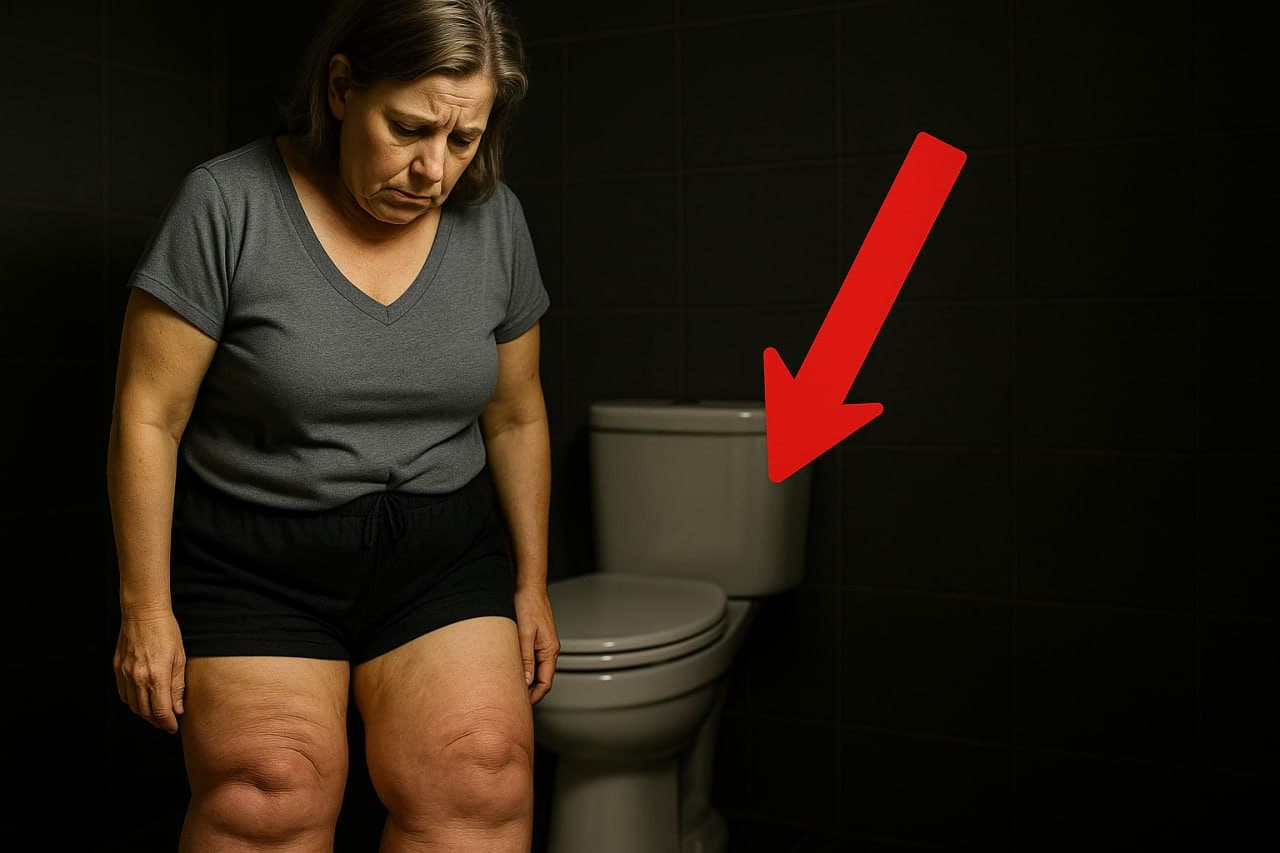
Misinformation about menopause and HRT has led to confusion and potential health risks for women. It is crucial to approach hormone therapy with accurate, evidence-based knowledge.
The Women's Health Initiative (WHI) study in 2002 caused widespread concern after reporting an increased risk of breast cancer in women using a combination of synthetic estrogen and progestin. However, the study's design and reporting were problematic.
- The study focused on older women with an average age of 63, who had not used hormones for many years, potentially skewing results.
- Findings reported a 26% relative increase in breast cancer risk, which in real terms meant a very slight absolute risk increase (one additional case per 10,000 women each year).
- The use of oral estrogen, which is less favored in functional medicine, added complexity to the findings.
These factors led to exaggerated media reactions and misconceptions about the dangers of HRT.

- Consume phytoestrogen-rich foods like flaxseeds and chickpeas to support hormone balance naturally.
- Prioritize fiber intake, assisting with estrogen metabolism and supporting gut health.
- Integrate supplements such as vitamin D3, DIM (diindolylmethane), ginseng, and vitamin K for their supportive roles in managing menopause symptoms and enhancing hormone receptor sensitivity.
These strategies can be integrated alongside HRT, offering a comprehensive approach to managing menopause while considering individual health profiles and needs.
Combining diet with lifestyle improvements can significantly impact menopause management. Engaging in regular physical activity, stress management, and adequate sleep all contribute to hormonal balance and overall well-being.
Exploring HRT options with a healthcare provider, including bioidentical hormones, in conjunction with lifestyle and dietary modifications offers a tailored and less invasive approach to addressing menopause symptoms.


From Around The Web


Wellness Inbox is a blog & weekly newsletter that curates trending news and products related to health and wellness from around the web. We also gather content from various sources, including leading health professionals, and deliver it directly to you.
Please note that we may receive compensation if you purchase any products featured in our newsletter. Wellness Inbox is not affiliated with, nor does it endorse, any health professionals whose content may appear in our newsletter. The information provided is for general informational purposes only and should not be considered medical advice.
The information provided is not intended to replace professional medical advice, diagnosis, or treatment. All content, including text, graphics, images, and information available is for general informational purposes only. We do not guarantee the accuracy or completeness of any information presented and assume no liability for any errors or omissions. The content is subject to change without notice. We encourage you to verify any information with other reliable sources and consult your physician regarding any medical conditions or treatments.