This is the Medication That will Transform the Lives of Diabetics

Diabetes management could significantly change with the development of an oral insulin pill – a groundbreaking advancement that promises to simplify treatment for millions of individuals living with diabetes. Conventionally reliant on injections, managing diabetes might soon involve the convenience of a single pill.
Diabetes is a chronic condition affecting how the body handles blood sugar, or glucose. There are primarily two types: Type 1 diabetes where insulin production is absent and Type 2 diabetes where insulin is either insufficient or the body is resistant to it.
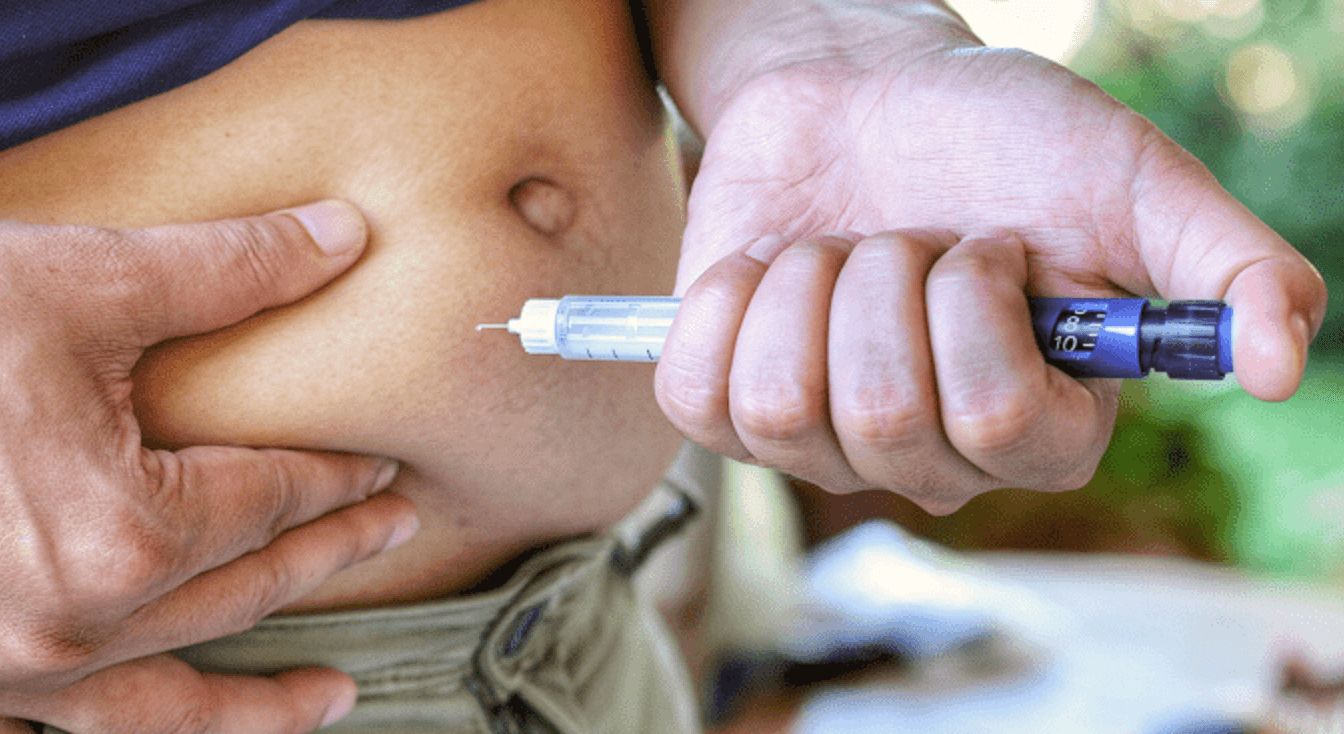
Insulin plays a critical role as it helps in regulating blood sugar levels, thus, individuals with diabetes often require strict insulin regimes, usually through injections. However, the development of an oral insulin could relieve the discomfort and complexity associated with injections.
Attempts to create effective oral insulin have been hampered by the digestive system's degradation of insulin. Researchers at the Arctic University of Norway and the University of Sydney have overcome this by using nanocarriers—encapsulating insulin in biodegradable nanoparticles.
These nanoparticles shield the insulin through the stomach, ensuring it reaches the liver—its primary site of action—in a controlled manner. This mimics the body’s natural insulin release, enhancing bioavailability while reducing the risk of hypoglycemia.

The advancement could significantly enhance the quality of life for diabetes patients, alleviating daily injection burdens. It also holds promise for improving diabetes care in resource-poor settings, as pills are easier to distribute compared to injections requiring complex apparatus and proper disposal.
Beyond diabetes, the encapsulation technology harbors potential to optimize drug delivery for other peptide-based medications that are currently injectable, paving pathways for broader medical innovations.
As researchers prepare for human trials, they aim to establish the oral insulin pill’s safety, efficacy, and optimum dosages. Success in these trials could lead to a paradigm shift in diabetes management and healthcare on a larger scale.
The journey entails overcoming regulatory and manufacturing challenges. Nonetheless, this innovation encapsulates a hopeful future—a beacon of progress ushering in efficient, patient-friendly diabetes treatment, reducing costs associated with injections, and enhancing adherence, potentially minimizing complications related to diabetes.
"The promise of a simple pill replacing the complex regimen of injections marks a monumental step forward in diabetes care and overall patient wellbeing."


From Around The Web


Wellness Inbox is a blog & weekly newsletter that curates trending news and products related to health and wellness from around the web. We also gather content from various sources, including leading health professionals, and deliver it directly to you.
Please note that we may receive compensation if you purchase any products featured in our newsletter. Wellness Inbox is not affiliated with, nor does it endorse, any health professionals whose content may appear in our newsletter. The information provided is for general informational purposes only and should not be considered medical advice.
The information provided is not intended to replace professional medical advice, diagnosis, or treatment. All content, including text, graphics, images, and information available is for general informational purposes only. We do not guarantee the accuracy or completeness of any information presented and assume no liability for any errors or omissions. The content is subject to change without notice. We encourage you to verify any information with other reliable sources and consult your physician regarding any medical conditions or treatments.