Are Pickles Good For You? WATCH Before You Eat!
Pickles are a popular snack, known for their distinctive crunchy and tangy taste. While they can enhance flavors in sandwiches and salads or be eaten alone, it's important to understand their nutritional profile, especially in light of current health trends like gut health and low-carb diets.
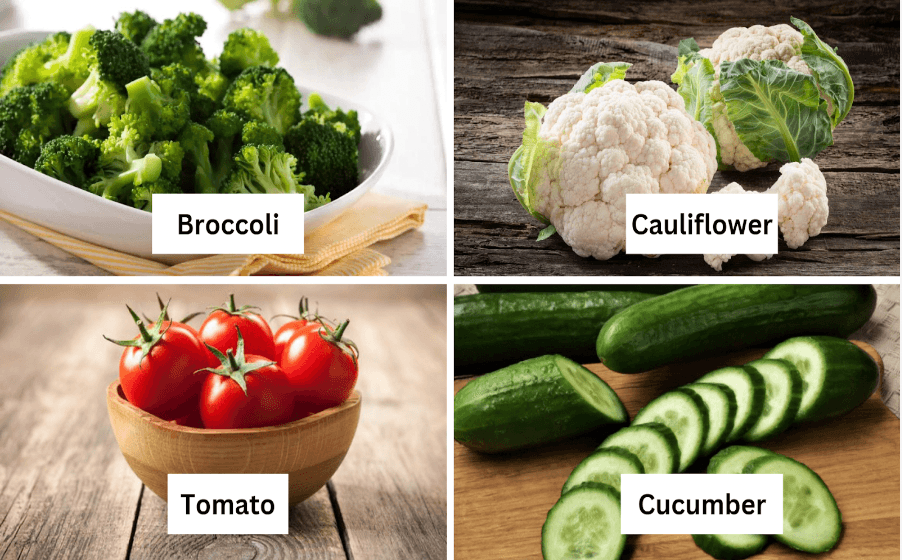
Essentially, pickles are cucumbers that have been preserved in a saline or vinegar solution. This process means they retain many of the nutrients found in cucumbers, with some modifications.
- Low in calories: A small dill pickle spear contains just about 4 calories, making it a guilt-free snack choice.
- Vitamin packed: Pickles can provide a significant portion of your daily vitamin K needs—up to 45% of the daily value in a cup. Vitamin K is crucial for blood clotting and maintaining bone health.
- Source of antioxidants: These include beta carotene, which helps reduce inflammation and fight free radicals.
Pickles also offer a small amount of vitamin C, benefiting the immune system, and vitamin A, supporting eye health. Additionally, their fiber content, although minimal, can contribute to digestive health and potentially lower cholesterol levels.
A major downside of pickles is their high sodium content. Sodium is necessary for bodily functions, including fluid balance and nutrient transport, but excessive intake can lead to health issues such as high blood pressure. Most people consume far more sodium than necessary, often exceeding the recommended daily intake of 1,500 to 2,500 mg.
For individuals on low-carb diets or managing diabetes, pickles might seem enticing due to their lack of impact on blood sugar levels. However, the high sodium, coupled with increased cardiovascular risks associated with diabetes, suggest caution in consumption.
Making pickles at home can be a wiser choice as it allows control over sodium levels, while still enjoying the taste and nutritional benefits of this popular food.
While pickles can be a tasty, low-calorie snack and source of important vitamins like K and C, their high sodium content warrants moderation. For those concerned with sodium intake or on restrictive diets, homemade pickles may be a preferable alternative.


From Around The Web


Wellness Inbox is a blog & weekly newsletter that curates trending news and products related to health and wellness from around the web. We also gather content from various sources, including leading health professionals, and deliver it directly to you.
Please note that we may receive compensation if you purchase any products featured in our newsletter. Wellness Inbox is not affiliated with, nor does it endorse, any health professionals whose content may appear in our newsletter. The information provided is for general informational purposes only and should not be considered medical advice.
The information provided is not intended to replace professional medical advice, diagnosis, or treatment. All content, including text, graphics, images, and information available is for general informational purposes only. We do not guarantee the accuracy or completeness of any information presented and assume no liability for any errors or omissions. The content is subject to change without notice. We encourage you to verify any information with other reliable sources and consult your physician regarding any medical conditions or treatments.