Longevity Secrets of Italy: Where 1 in 3 Lives Past 100! | Dr. Steven Gundry
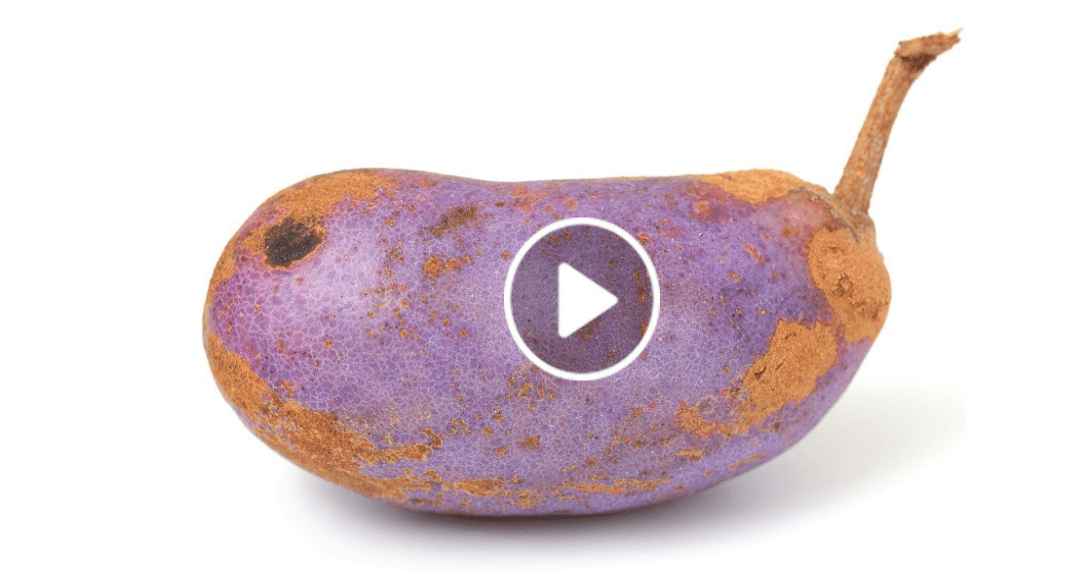
Communities known for unusual longevity attract attention because they may offer clues about health across the lifespan. But a place’s reputation is not itself evidence that its residents live longer, or that a particular food explains their longevity. Population size, historical records, migration, and how deaths are registered can all affect reported ages and life expectancy.
The transcript highlights this uncertainty by questioning the reliability of age records in different regions. Such concerns are important, but they need to be assessed using careful demographic research rather than anecdotes. Researchers typically look for consistent birth, death, and census records and compare multiple sources before accepting claims about exceptional longevity.
The speaker describes Aioli, a small fishing community in southern Italy, as having many residents over 100. The transcript characterizes local eating habits as including small fish such as anchovies, legumes, olive oil, wine, and frequent use of rosemary. These details may help describe a regional food culture, but they do not establish which habits—if any—contribute to longevity.
Rosemary contains plant compounds, including rosmarinic acid and carnosic acid. The transcript suggests these compounds may affect GLP-1 signaling and the gut microbiome. Mechanistic findings can help researchers form questions, but effects observed in laboratory studies do not automatically show that eating rosemary produces meaningful health outcomes in people. Rosemary should be regarded as a culinary herb, not as a substitute for prescribed GLP-1 medicines or medical care.
Likewise, the claim that whole small fish provide prebiotic fiber should be interpreted carefully. Fish may provide protein and other nutrients, but dietary fiber is generally found in plant foods. The nutritional value of eating small fish whole depends on the species, preparation, and portion.
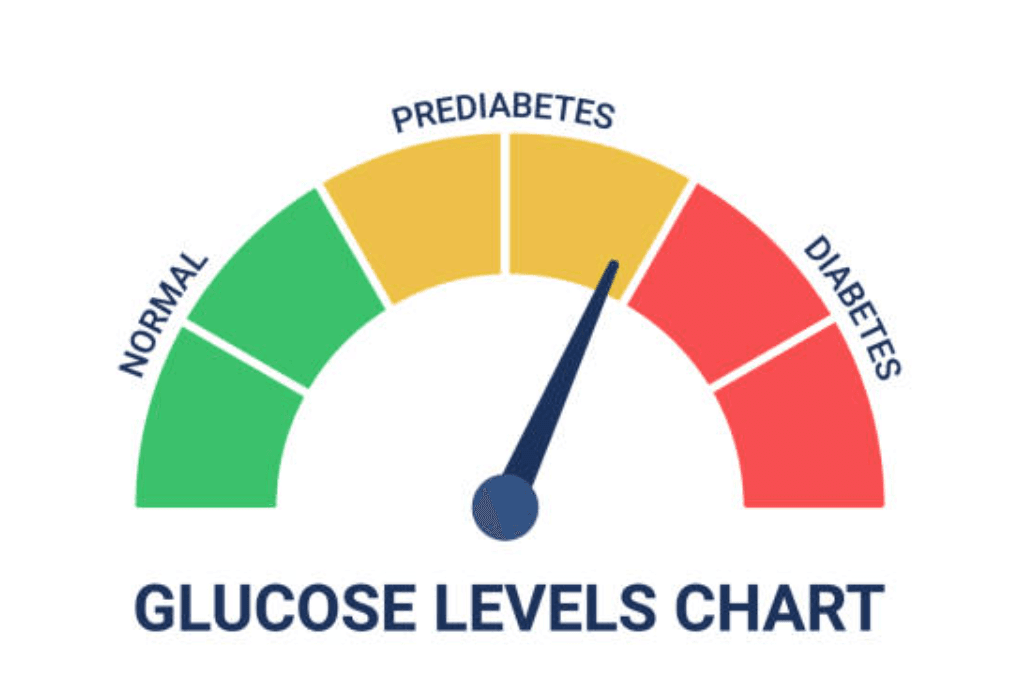
The speaker connects longevity with vegetables and fruit, olive oil, red wine, and dairy from animals grazing at higher elevations. These foods can contain a range of nutrients and plant compounds, but the transcript’s explanations—such as attributing differences in lifespan to particular cheeses or wine—are not proven by the observations alone. Many factors, including genetics, physical activity, social conditions, access to health care, and smoking, can influence population health.
The transcript discusses milk fat globule membrane components and medium-chain fats in sheep and goat milk, suggesting possible effects on metabolism and mitochondria. These proposed mechanisms do not demonstrate that full-fat dairy promotes weight loss or longer life. Dairy products vary in their fat, protein, sodium, and energy content; suitability depends on a person’s health needs, dietary pattern, and preferences.
A common challenge in nutrition research is separating correlation from cause. If a long-lived group eats a certain food, that does not prove the food is responsible. A stronger conclusion requires well-designed studies that account for other influences and, where possible, test outcomes in people over time.
Rather than copying a single community’s diet or relying on one proposed “secret,” readers can focus on established, practical principles: eat a varied diet with plenty of vegetables, fruit, legumes, and other minimally processed foods; choose foods that fit individual medical needs; and discuss major dietary changes with a qualified health professional.
The most useful lesson from Blue Zone discussions is not that one ingredient guarantees a longer life. It is that longevity is shaped by a combination of dietary, social, environmental, and health factors—and that claims about any one factor deserve careful scrutiny.


From Around The Web
Wellness Inbox is a blog & weekly newsletter that curates trending news and products related to health and wellness from around the web. We also gather content from various sources, including leading health professionals, and deliver it directly to you.
Please note that we may receive compensation if you purchase any products featured in our newsletter. Wellness Inbox is not affiliated with, nor does it endorse, any health professionals whose content may appear in our newsletter. The information provided is for general informational purposes only and should not be considered medical advice.
The information provided is not intended to replace professional medical advice, diagnosis, or treatment. All content, including text, graphics, images, and information available is for general informational purposes only. We do not guarantee the accuracy or completeness of any information presented and assume no liability for any errors or omissions. The content is subject to change without notice. We encourage you to verify any information with other reliable sources and consult your physician regarding any medical conditions or treatments.