Can We Reverse Arthritis & Regrow Cartilage? [New Studies]
Dr. Tom Biernacki discusses the challenges and possibilities surrounding cartilage regrowth in adults. Understanding the factors that contribute to the degeneration of cartilage can help us explore potential solutions and management strategies.
Cartilage loss, often termed osteoarthritis, can result from a combination of genetic, environmental, and mechanical factors. As Dr. Biernacki mentions, aging naturally weakens cartilage, leading to increased wear and tear. Additionally, genetics and repetitive stress injuries significantly contribute to this degeneration.
While the hope of regrowing cartilage akin to our youthful days sounds appealing, Dr. Biernacki notes the limitations faced due to the lack of blood supply to joint cartilage and the overall limited regenerative capacity in adults. Emerging therapies like stem cells and platelet-rich plasma injections show potential but lack consistent evidence for effective cartilage regeneration.
- Omega-3 fatty acids, granted for their anti-inflammatory properties, improve joint health yet do not regrow cartilage. Sources include fish like salmon and flaxseeds.
- Glucosamine and chondroitin supplements may relieve osteoarthritis symptoms and support cartilage health, though their regenerative effects are contested.
- Collagen supplements provide structure for joints but lack definitive proof in cartilage regrowth.
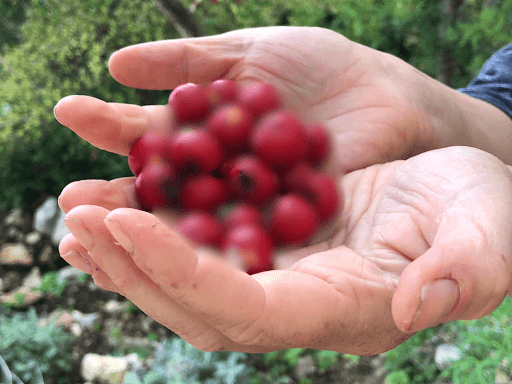
- Antioxidants from foods like berries and green tea reduce oxidative stress, indirectly supporting joint integrity.
Regular strength training and cardiovascular exercise can prove extremely beneficial for joint health by reinforcing muscle support around joints. As Dr. Biernacki emphasizes, proper footwear and strengthening exercises enable better joint alignment and lessen further cartilage erosion.
Dr. Biernacki discusses the evidence supporting red light therapy, also known as photobiomodulation therapy. This therapy increases blood flow and decreases inflammation, offering a non-invasive approach to managing joint pain.


From Around The Web


Wellness Inbox is a blog & weekly newsletter that curates trending news and products related to health and wellness from around the web. We also gather content from various sources, including leading health professionals, and deliver it directly to you.
Please note that we may receive compensation if you purchase any products featured in our newsletter. Wellness Inbox is not affiliated with, nor does it endorse, any health professionals whose content may appear in our newsletter. The information provided is for general informational purposes only and should not be considered medical advice.
The information provided is not intended to replace professional medical advice, diagnosis, or treatment. All content, including text, graphics, images, and information available is for general informational purposes only. We do not guarantee the accuracy or completeness of any information presented and assume no liability for any errors or omissions. The content is subject to change without notice. We encourage you to verify any information with other reliable sources and consult your physician regarding any medical conditions or treatments.