Andrew Huberman's Sleep Protocol Surprised Me
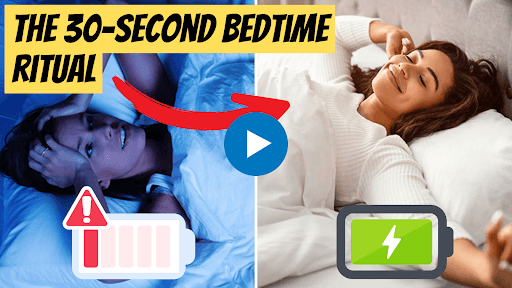
Sleep plays a crucial role in maintaining overall health, particularly brain function. Recent insights from Dr. Andrew Huberman and Dr. Matt Walker highlight this relationship through extensive discussions on the neuroscience of sleep. Effective sleep hygiene can significantly alleviate common insomnia issues by fostering ideal conditions for restorative sleep.
- Keep electronic devices out of the bedroom.
- Establish a consistent bedtime and wake-up time.
- Create a calming pre-sleep routine, involving reducing light exposure and cooling the bedroom.
- Use your bed solely for sleep and intimacy.
When traditional sleep hygiene tips fail to address severe insomnia, Dr. Huberman and Dr. Walker suggest a strategic use of sleep debt. This involves deliberately restricting sleep to increase sleep pressure, which helps reset the brain's association with the bed as a place for alertness.
Begin by preventing naps and maintaining a fixed wake-up time. If sleep does not occur within 15 minutes of going to bed, get out of bed and engage in a non-stimulating activity. Repeat this cycle to escalate sleep debt until the person falls asleep quickly once in bed.

"Your brain isn’t sleeping well because it’s been wired not to sleep well."
Patients suffering from severe insomnia are encouraged to consult healthcare professionals before implementing the sleep debt strategy. Not every case of insomnia will benefit from this approach, particularly those with milder symptoms.
Long-term goals include achieving a stable and restful 7.5-hour sleep cycle, which supports brain function, enhances immune system performance, and boosts metabolism.


From Around The Web

Wellness Inbox is a blog & weekly newsletter that curates trending news and products related to health and wellness from around the web. We also gather content from various sources, including leading health professionals, and deliver it directly to you.
Please note that we may receive compensation if you purchase any products featured in our newsletter. Wellness Inbox is not affiliated with, nor does it endorse, any health professionals whose content may appear in our newsletter. The information provided is for general informational purposes only and should not be considered medical advice.
The information provided is not intended to replace professional medical advice, diagnosis, or treatment. All content, including text, graphics, images, and information available is for general informational purposes only. We do not guarantee the accuracy or completeness of any information presented and assume no liability for any errors or omissions. The content is subject to change without notice. We encourage you to verify any information with other reliable sources and consult your physician regarding any medical conditions or treatments.