10 Warnings Signs Of HEART ATTACK A Week BEFORE It Happens

Heart health is a crucial concern that often goes unnoticed until it’s too late. Identifying the early warning signs of a heart attack not only saves lives but also assists in managing underlying health conditions. Today, we delve into these signs and their implications.
The first indicator of an underlying heart condition can be profound, unexplained fatigue. This is often coupled with
edema, a reduction in blood flow. With insufficient blood—and thus oxygen—delivering to the body and heart muscle, everything feels sluggish due to a shortfall in energy production. Unlike usual tiredness, this fatigue is a persistent physical exhaustion, affecting all parts of the body with or without exertion.
Chest pain or pressure, known as angina, may occur due to a lack of proper blood flow to the heart. Even though these symptoms can be mild and prolonged over an extended period before a heart attack, they are vital signals indicating the heart’s struggle to function efficiently.
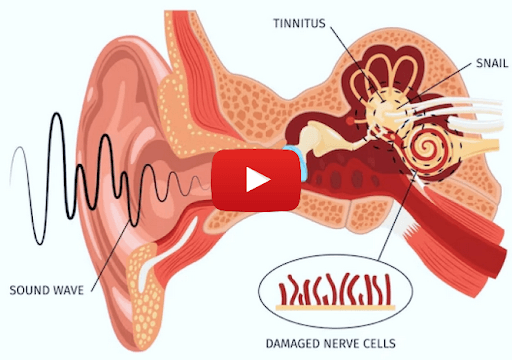
An unexpected sign of heart stress is perspiration without physical exercise. This occurs as the body responds to cardiac discomfort with a stress response akin to a fight-or-flight phenomena. Extra indicators of potential heart attack risk include weakness in specific body parts without explanation, feelings of nausea, dizziness due to decreased brain blood flow, referred pain in contiguous regions like the arm or jaw, and increase in breathlessness severity.
More grave signs, such as intense chest pain or pressure resembling "an elephant sitting on your chest," signal substantial coronary blockage. This warning and related discomfort in arms or jaw necessitate immediate medical investigation to prevent severe heart damage.
Preventive measures against such distress call for lifestyle upheaval. Transitioning to a diet minimizing insulin resistance and understanding metabolic influences, engaging in regular physical activity, and managing psychological stress can intercept the nurturing grounds for cardiac ailments. Content available extensively, detailing how crucial shifts in habits significantly restore heart integrity.
"Upon recognizing these early signs of a heart problem, seeking medical advice could prevent the 'elephant' from truly sitting on your chest ultimatelly."
Through mastering these signals, one can steer their health trajectory from vulnerability to resiliency by aligning daily routines with recognized medical guidance over hasty interventions.


From Around The Web


Wellness Inbox is a blog & weekly newsletter that curates trending news and products related to health and wellness from around the web. We also gather content from various sources, including leading health professionals, and deliver it directly to you.
Please note that we may receive compensation if you purchase any products featured in our newsletter. Wellness Inbox is not affiliated with, nor does it endorse, any health professionals whose content may appear in our newsletter. The information provided is for general informational purposes only and should not be considered medical advice.
The information provided is not intended to replace professional medical advice, diagnosis, or treatment. All content, including text, graphics, images, and information available is for general informational purposes only. We do not guarantee the accuracy or completeness of any information presented and assume no liability for any errors or omissions. The content is subject to change without notice. We encourage you to verify any information with other reliable sources and consult your physician regarding any medical conditions or treatments.