High-Intensity Interval Training To Burn Belly Fat

Reducing belly fat is a common goal, particularly due to the health risks associated with visceral adipose tissue. While it might seem intuitive to focus solely on cardio, evidence suggests that a different approach could be more beneficial. Here, we explore how specific exercises and diet can contribute to fat loss.
Exercise plays a crucial role in managing body weight and composition. Among various types of exercise, high-intensity interval training (HIIT) has gained prominence for its potential benefits in targeting belly fat.
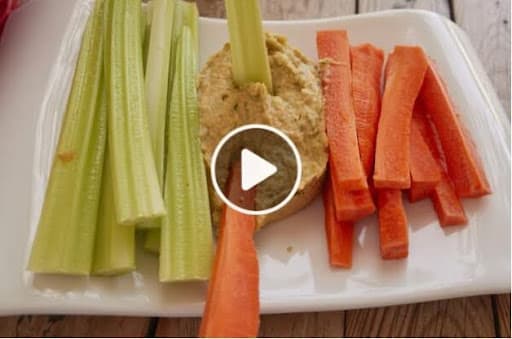
Regardless of the exercise method chosen, creating a caloric deficit—by consuming fewer calories than the body expends—is fundamental to losing fat. Exercise complements diet in achieving this deficit, thus facilitating fat loss.
Like HIIT, resistance training effectively supports fat loss. It helps increase muscle mass, which in turn elevates the resting metabolic rate. Additionally, resistance workouts assist in better management of hormonal stress responses, accruing further support for fat reduction.
- HIIT maximizes fat loss by reducing cortisol and improving insulin sensitivity.
- Pairing exercise with a caloric deficit enhances overall fat loss.
- Resistance training aids in muscle growth, boosting metabolism.


From Around The Web

Wellness Inbox is a blog & weekly newsletter that curates trending news and products related to health and wellness from around the web. We also gather content from various sources, including leading health professionals, and deliver it directly to you.
Please note that we may receive compensation if you purchase any products featured in our newsletter. Wellness Inbox is not affiliated with, nor does it endorse, any health professionals whose content may appear in our newsletter. The information provided is for general informational purposes only and should not be considered medical advice.
The information provided is not intended to replace professional medical advice, diagnosis, or treatment. All content, including text, graphics, images, and information available is for general informational purposes only. We do not guarantee the accuracy or completeness of any information presented and assume no liability for any errors or omissions. The content is subject to change without notice. We encourage you to verify any information with other reliable sources and consult your physician regarding any medical conditions or treatments.