Sugar CRAVINGS: 3 reasons you have them and the proven science to destroy them | Episode 1 of 18
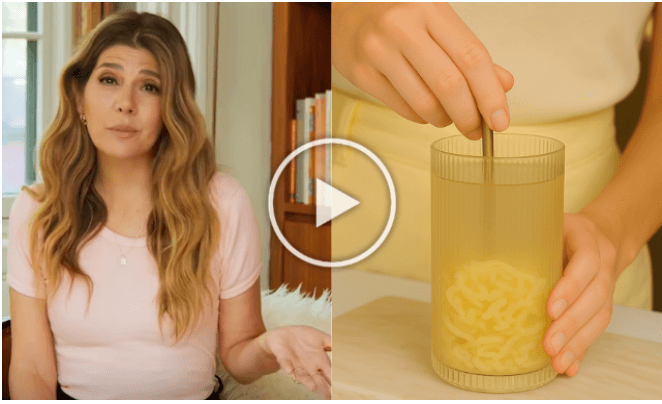
Cravings for certain foods, especially sweets, often feel uncontrollable, but they are not merely a lack of willpower. Biochemistry plays a significant role. Jesse, a biochemist, reveals how glucose levels can significantly affect our cravings.
When blood glucose levels are low, the craving centers in the brain become activated. This was demonstrated in a study where participants used an fMRI scanner while viewing food images. Cravings intensified when their glucose levels dropped.
A study titled "Circulating Glucose Levels Modulate Neural Control of Desire for High Calorie Foods in Humans" showed that low glucose levels activate cravings. The study involved participants rating their desire for various foods, revealing a correlation between glucose levels and cravings.
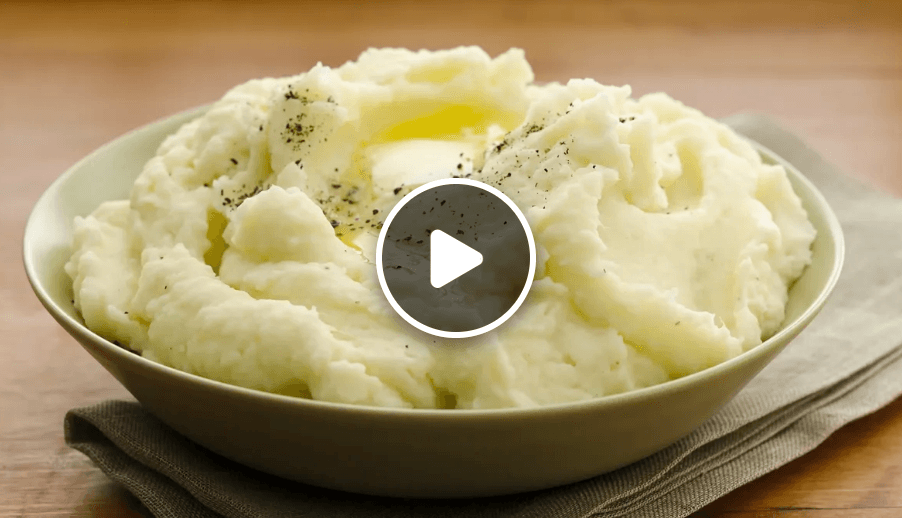
- Opt for proteins and fats alongside carbohydrates to slow glucose absorption.
- Have sweets as part of a meal, not on an empty stomach.
- Consider consuming vinegar with water before high-sugar meals to reduce spikes.
The Protein Leverage Hypothesis suggests that inadequate protein intake keeps you feeling hungry, leading to increased cravings throughout the day. By beginning the day with a protein-rich breakfast, cravings can be reduced substantially.
While dietary strategies are essential, certain supplements can also support glucose management. A supplement named 'anti-spike formula' claims to reduce glucose spikes significantly, though it should be considered a supportive tool rather than a sole dependency.
The glucose supplement market is sometimes misleading, so choose wisely.
Understanding the biochemical mechanisms behind cravings can empower you to make informed decisions about your diet. Managing glucose levels through smart eating habits and supplements can result in a noticeable reduction in cravings and improved overall well-being.


From Around The Web

Wellness Inbox is a blog & weekly newsletter that curates trending news and products related to health and wellness from around the web. We also gather content from various sources, including leading health professionals, and deliver it directly to you.
Please note that we may receive compensation if you purchase any products featured in our newsletter. Wellness Inbox is not affiliated with, nor does it endorse, any health professionals whose content may appear in our newsletter. The information provided is for general informational purposes only and should not be considered medical advice.
The information provided is not intended to replace professional medical advice, diagnosis, or treatment. All content, including text, graphics, images, and information available is for general informational purposes only. We do not guarantee the accuracy or completeness of any information presented and assume no liability for any errors or omissions. The content is subject to change without notice. We encourage you to verify any information with other reliable sources and consult your physician regarding any medical conditions or treatments.