1 Cup To Stop Inflammation And Aging After 40!!

A warm drink made with green tea, collagen peptides, and lemon or lime can be an enjoyable part of a daily routine. Each ingredient has nutritional properties that have been studied, but the available evidence does not support claims that this combination reverses aging or prevents diseases. It is more useful to view the drink as an optional food choice than as a treatment.
Green tea contains polyphenols called catechins, including epigallocatechin gallate (EGCG). These compounds have antioxidant activity in laboratory research. However, antioxidant effects observed in laboratory settings do not establish that drinking green tea prevents cancer, heart disease, or the effects of aging in people. Human studies suggest possible health associations, but results vary and depend on factors such as overall diet and lifestyle.
Green tea provides caffeine, although the amount varies by serving and brewing method. People sensitive to caffeine may prefer decaffeinated tea or avoid drinking it late in the day. Green tea is not a substitute for sun protection, medical care, or established approaches to managing metabolic or cognitive health.
Collagen is a structural protein found in skin, cartilage, tendons, and other connective tissues. The body’s collagen production changes with age, but consuming collagen does not directly rebuild a specific body part. Some clinical trials suggest collagen peptide supplements may modestly improve skin hydration or elasticity and may help with joint discomfort in certain people. The evidence is still developing, and supplements are not a replacement for treatment of arthritis or other conditions.
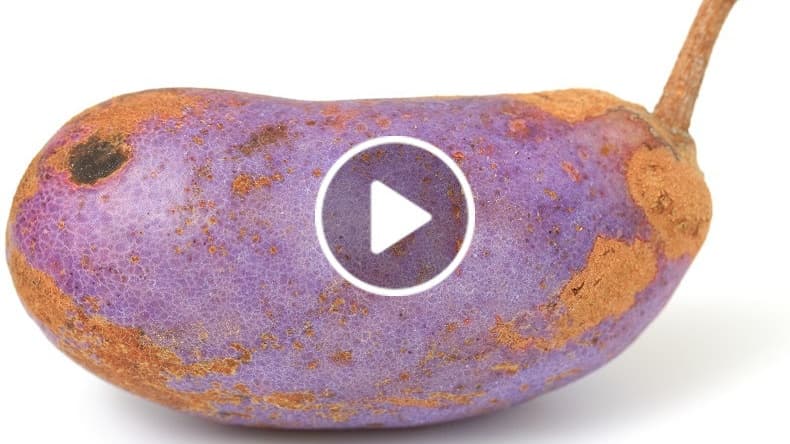
Citrus juice adds flavor and some vitamin C, a nutrient needed for normal immune function and collagen formation. It does not “detoxify” the body or rebalance the immune system. The liver and kidneys carry out the body’s normal waste-processing functions.
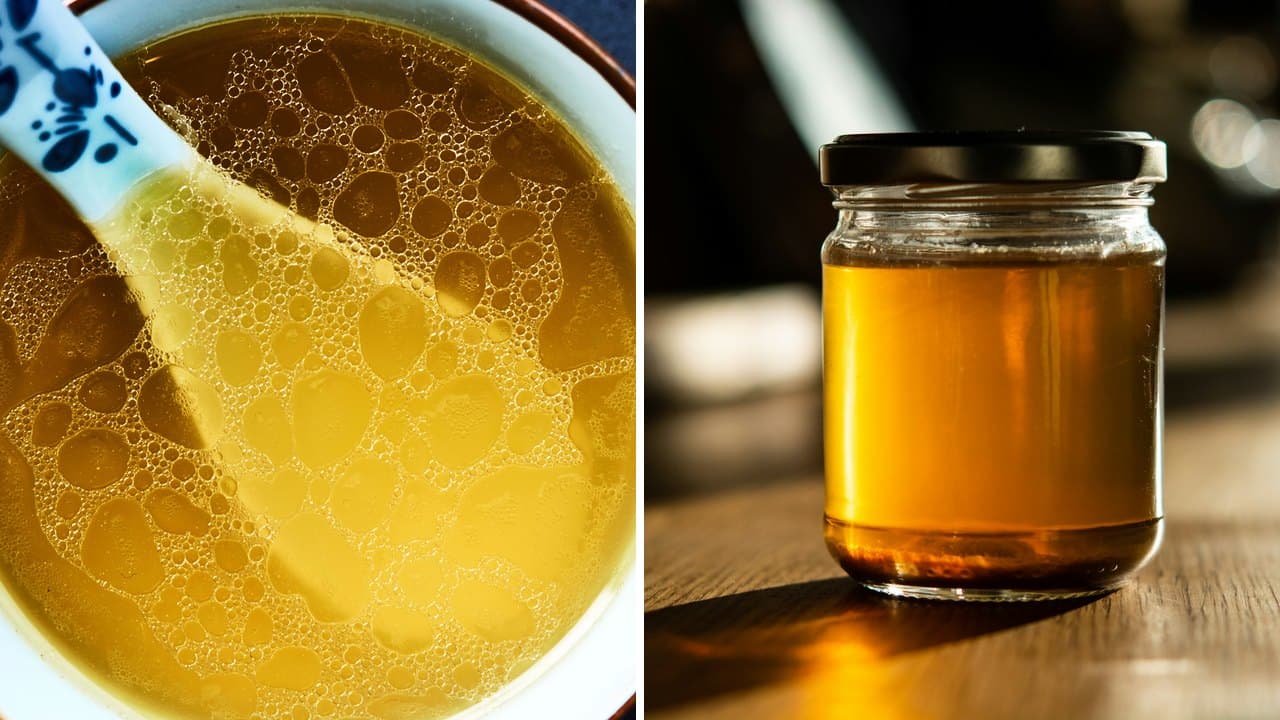
For a simple version, brew green tea according to the package directions, then stir in collagen peptides if desired and add lemon or lime to taste. Let the tea cool slightly before mixing in the powder, and follow the product’s serving instructions. Water does not need to be boiling; very hot water can make tea taste more bitter, but the transcript’s claim that boiling water destroys EGCG is too categorical.
- Brew one cup of green tea using hot water and the recommended steeping time.
- Stir in a serving of collagen peptides, if you choose to use them.
- Add lemon or lime juice for flavor, then drink it as part of a meal or snack.
The transcript also recommends adding fish oil for its omega-3 fats, EPA and DHA. These fats have established roles in health, but supplements are not a general anti-aging treatment, and adding them to this drink has not been shown to make it more protective. Supplement needs and appropriate doses vary. Fish oil can interact with medicines, including some that affect blood clotting, so discuss it with a clinician or pharmacist before starting it. Choose products with independent quality testing rather than relying on promotional claims.
This drink can provide hydration, tea polyphenols, and—if included—collagen peptides and vitamin C. It should not be presented as a way to reverse aging, prevent disease, repair DNA, or treat “leaky gut.” For long-term health, better-supported priorities include a balanced diet, regular physical activity, adequate sleep, avoiding tobacco, sun protection, and recommended preventive care. If you have a health condition or take medication, check with a healthcare professional before adding supplements.


From Around The Web
Wellness Inbox is a blog & weekly newsletter that curates trending news and products related to health and wellness from around the web. We also gather content from various sources, including leading health professionals, and deliver it directly to you.
Please note that we may receive compensation if you purchase any products featured in our newsletter. Wellness Inbox is not affiliated with, nor does it endorse, any health professionals whose content may appear in our newsletter. The information provided is for general informational purposes only and should not be considered medical advice.
The information provided is not intended to replace professional medical advice, diagnosis, or treatment. All content, including text, graphics, images, and information available is for general informational purposes only. We do not guarantee the accuracy or completeness of any information presented and assume no liability for any errors or omissions. The content is subject to change without notice. We encourage you to verify any information with other reliable sources and consult your physician regarding any medical conditions or treatments.