The Most Effective HIIT Exercise to Look and Feel Younger (increase vo2 max)
The discussion around high-intensity interval training (HIIT) often focuses on performance enhancement and fat loss. However, if the goal is to improve longevity, the strategy shifts slightly. Scientific literature underscores the importance of VO2 max, which has been identified as a key predictive indicator of all-cause mortality. Simply put, higher VO2 max levels are associated with lower mortality rates.
A study from the American College of Cardiology analyzed VO2 max levels in different population groups, revealing a strong inverse relationship between VO2 max and mortality risk. Hence, aiming to enhance VO2 max through training could potentially improve life expectancy.
Although extreme continuous exercise regimes are typical for athletes, average individuals may not favor such intense routines. Instead, modulating workouts between intervals and continuous training is recommended. The literature suggests maintaining exercise intensity at about 90% of maximum heart rate to boost VO2 max. Using subjective measures like a perceived exertion scale can help determine appropriate intensity levels.
- Intervals: 3-5 minutes per bout
- Rest: Brief recovery phases (2.5-3.5 minutes)
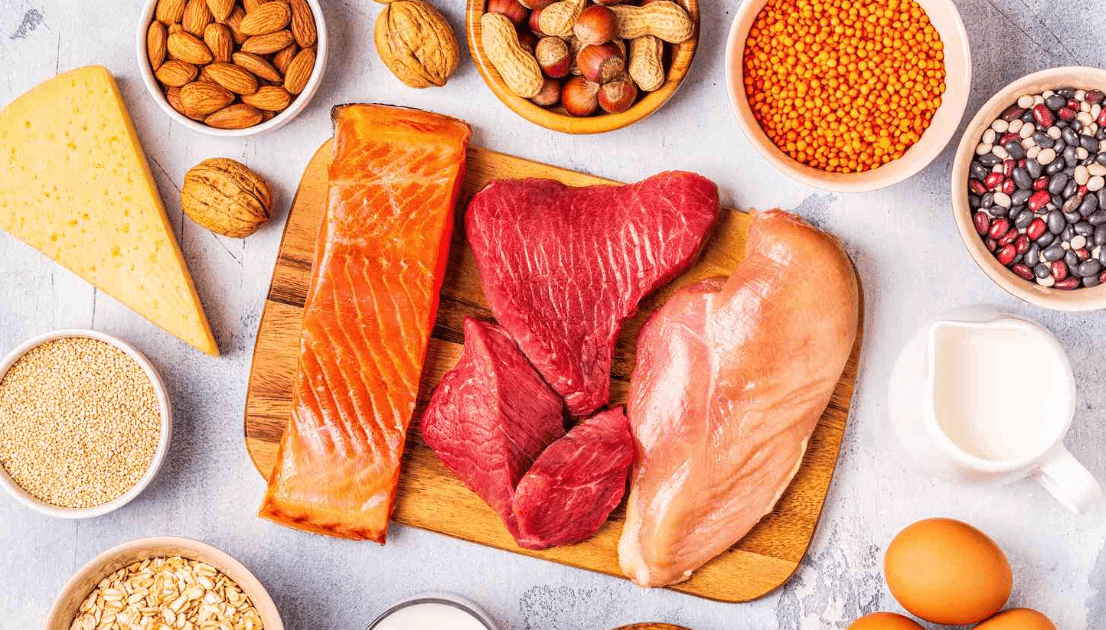
Increase protein consumption to aid in recovery, with recommendations ranging from 0.8 grams to 1 gram of protein per pound of body weight. Protein aids in supporting sustained workout intensities and building VO2 max over time.
Protein is essential to maintain performance and recovery in high-intensity exercises.
The BMJ published findings stating that even 60 minutes of cardio per week led to a significant 15% reduction in mortality risk. Incremental improvement flattens past 3 hours weekly, suggesting a sweet spot for longevity-focused cardio of 1-2 hours weekly. Training can include two to three short sessions or extended weekly sessions.
For strength, light strength training one to two days per week further decreases mortality risk by an additional 11%. Therefore, combining targeted cardio with resistance routines ensures a comprehensive approach to fitness and longevity.


From Around The Web

Wellness Inbox is a blog & weekly newsletter that curates trending news and products related to health and wellness from around the web. We also gather content from various sources, including leading health professionals, and deliver it directly to you.
Please note that we may receive compensation if you purchase any products featured in our newsletter. Wellness Inbox is not affiliated with, nor does it endorse, any health professionals whose content may appear in our newsletter. The information provided is for general informational purposes only and should not be considered medical advice.
The information provided is not intended to replace professional medical advice, diagnosis, or treatment. All content, including text, graphics, images, and information available is for general informational purposes only. We do not guarantee the accuracy or completeness of any information presented and assume no liability for any errors or omissions. The content is subject to change without notice. We encourage you to verify any information with other reliable sources and consult your physician regarding any medical conditions or treatments.