how to make numbness go away after the dentist #shorts
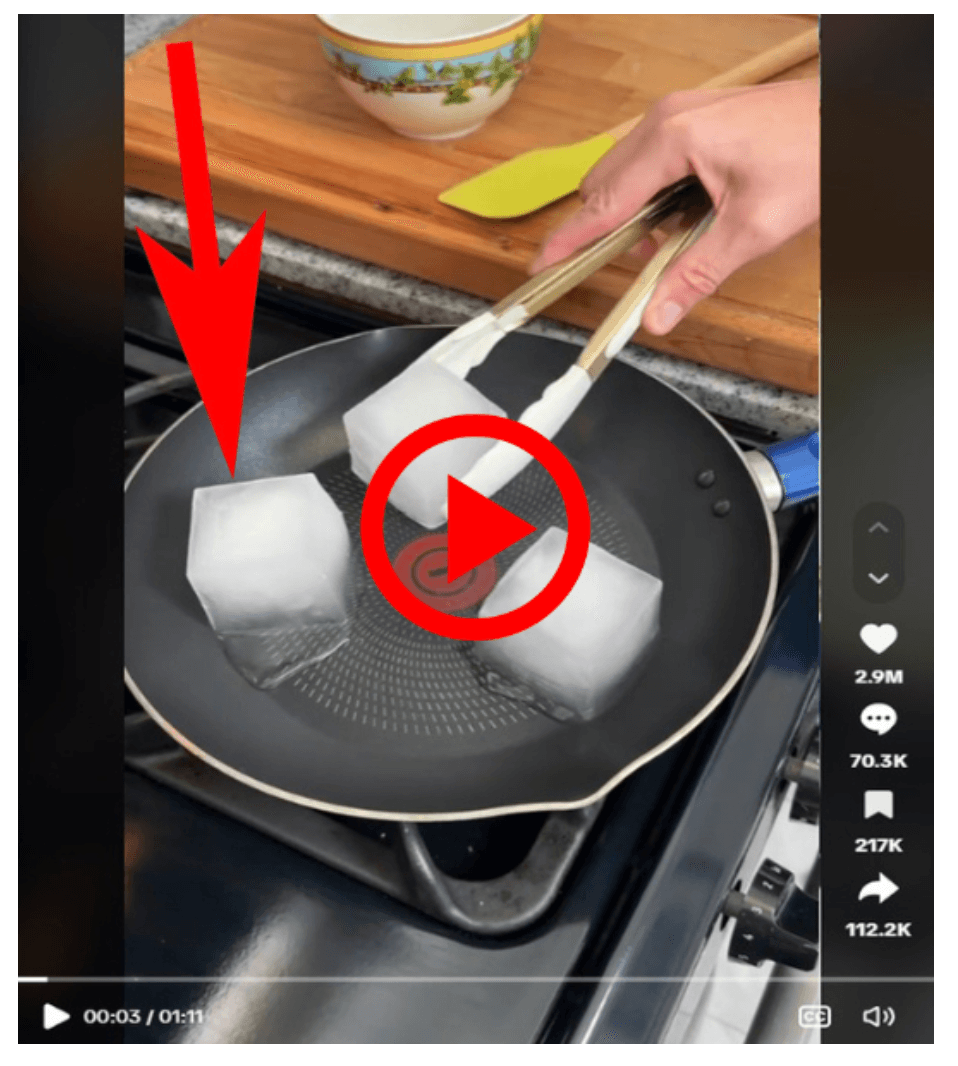
After visiting the dentist, many people experience numbness due to the anesthetic used during procedures. While this is generally short-lived, lasting just a few hours, it can be uncomfortable for some individuals who may wish to reduce this sensation sooner.
Dental numbness occurs because local anesthetics temporarily block the signals that travel along nerves. These substances are useful during procedures as they prevent pain. However, understanding how to alleviate the effects afterwards is beneficial for patient comfort.
Unless you've had serious oral surgery—such as wisdom tooth removal or a dental implant—you can generally move around following procedures like fillings or crowns. Walking increases blood circulation, which can help your body metabolize the anesthetic faster.

If massage isn't appealing, try holding a warm compress to your face. The warmth can encourage blood flow, aiding in the reduction of numbness. Ensure the compress is comfortably warm to avoid any skin irritation.
Speaking or making mouth movements stimulates blood circulation. Engaging the muscles around the numb area can expedite the return of normal sensations.
Sometimes, despite your best efforts, the most effective solution is to simply wait. Rest or take a nap, allowing your body the time to naturally clear the anesthetic. Soon, the numbness should fade completely.
Take a nap or go to bed and before you know it, you will be as good as new.


From Around The Web


Wellness Inbox is a blog & weekly newsletter that curates trending news and products related to health and wellness from around the web. We also gather content from various sources, including leading health professionals, and deliver it directly to you.
Please note that we may receive compensation if you purchase any products featured in our newsletter. Wellness Inbox is not affiliated with, nor does it endorse, any health professionals whose content may appear in our newsletter. The information provided is for general informational purposes only and should not be considered medical advice.
The information provided is not intended to replace professional medical advice, diagnosis, or treatment. All content, including text, graphics, images, and information available is for general informational purposes only. We do not guarantee the accuracy or completeness of any information presented and assume no liability for any errors or omissions. The content is subject to change without notice. We encourage you to verify any information with other reliable sources and consult your physician regarding any medical conditions or treatments.