Triangular Fibrocartilage Complex (TFCC) Exercises
The triangular fibrocartilage complex (TFCC) is an essential component of wrist anatomy, located on the pinky side of the wrist where the ulna, one of the forearm bones, connects with the carpal bones. This small piece of cartilage helps in providing critical stability to the wrist joint.
An injury to the TFCC, often caused by a fall on an outstretched hand, can lead to pain, clicking, or popping sounds and may compromise wrist stability.
Post-TFCC injury, immobilization in a splint might be necessary to promote healing. After this period, gradually restoring wrist strength and stability becomes a priority.
Begin with an isometric contraction exercise using a challenging yet pain-free weight. Holding a dumbbell at your side, lift your shoulder slightly while keeping the wrist in a neutral position. Perform the exercise for 5 to 10 reps with hand rotations to engage forearm muscles, alternating between wrist flexors and extensors.
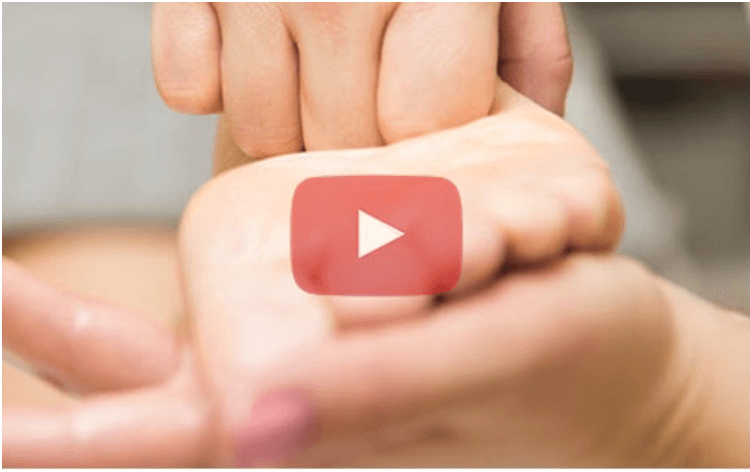
Repeat the exercise with the elbow bent at 90 degrees to target the pronator quadratus further and enhance joint stability.
Employ a loop band over the hands to enhance wrist extension and ulnar deviation. Perform the motions coordinated across both wrists to maintain symmetrical muscle engagement, ensuring three sets of 10 to 15 reps according to personal pain threshold and range.
As part of a comprehensive approach to wrist recovery, consider structured rehab programs that progressively build up from pain-relief exercises to strength training. Dr. Walters' book, available on Amazon and Barnes & Noble, offers in-depth guidance for wrist rehabilitation, triaging through pain reduction, range of motion refinement, and strengthening.
Such a program could complement the exercises shared, allowing an at-home recovery regimen beyond the scope of video instructions.
"A great program would be detailed in the wrist pain program, allowing self-conducted rehab at home."


From Around The Web
Wellness Inbox is a blog & weekly newsletter that curates trending news and products related to health and wellness from around the web. We also gather content from various sources, including leading health professionals, and deliver it directly to you.
Please note that we may receive compensation if you purchase any products featured in our newsletter. Wellness Inbox is not affiliated with, nor does it endorse, any health professionals whose content may appear in our newsletter. The information provided is for general informational purposes only and should not be considered medical advice.
The information provided is not intended to replace professional medical advice, diagnosis, or treatment. All content, including text, graphics, images, and information available is for general informational purposes only. We do not guarantee the accuracy or completeness of any information presented and assume no liability for any errors or omissions. The content is subject to change without notice. We encourage you to verify any information with other reliable sources and consult your physician regarding any medical conditions or treatments.