The One Thing You Must Do to Lose Weight Permanently After 60
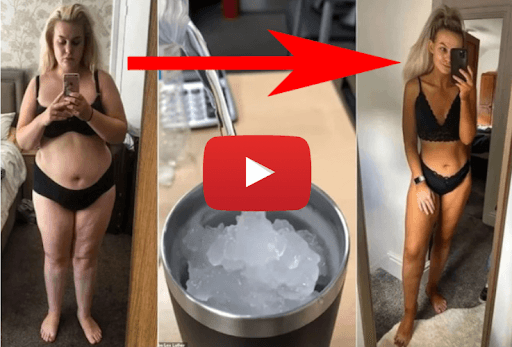
Weight loss after the age of 60 involves a unique set of challenges and adaptations. As we age, our bodies undergo significant changes, such as decreased metabolism, hormonal shifts, and muscle loss. Despite these obstacles, a sustainable approach to weight management is attainable through mindset changes and habit formation.
Margaret, a long-time advocate for healthy living, emphasizes that the secret to successful weight loss post-60 isn't adhering to strict diets. Instead, it's about shifting one's mindset to focus on consistent, sustainable habits. This involves regular activities and making conscious lifestyle choices rather than sporadic dieting.
Incorporating physical activities such as daily walks, yoga, or swimming can be highly effective. The emphasis should be less on the intensity of these activities and more on integrating them into your daily routine.
Staying hydrated and managing sleep routines are crucial. Hydration should be viewed as a consistent habit, not a mandate. Quality sleep through set routines also plays a pivotal role in overall health and well-being.
Margaret advises against relying solely on scales for progress. Instead, focus on how your clothes fit and how you feel physically and mentally. This holistic approach aims at a better reflection of health improvements than mere numbers.
It's vital to set realistic and achievable goals. Embrace the belief that it's never too late to make positive changes, focusing on long-term habits that will enhance your quality of life rather than short-term, restrictive diets.


From Around The Web
Wellness Inbox is a blog & weekly newsletter that curates trending news and products related to health and wellness from around the web. We also gather content from various sources, including leading health professionals, and deliver it directly to you.
Please note that we may receive compensation if you purchase any products featured in our newsletter. Wellness Inbox is not affiliated with, nor does it endorse, any health professionals whose content may appear in our newsletter. The information provided is for general informational purposes only and should not be considered medical advice.
The information provided is not intended to replace professional medical advice, diagnosis, or treatment. All content, including text, graphics, images, and information available is for general informational purposes only. We do not guarantee the accuracy or completeness of any information presented and assume no liability for any errors or omissions. The content is subject to change without notice. We encourage you to verify any information with other reliable sources and consult your physician regarding any medical conditions or treatments.