Stay Young Forever: A Path To 100+ With Secrets From The Blue Zones | Kimbal Musk & Dr. Hyman

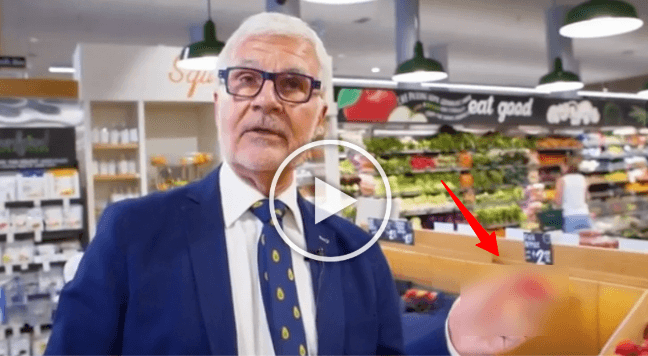
The journey from tech entrepreneurship to becoming a culinary advocate for children's nutrition is a unique path taken by a figure featured in a recent video series. Initially involved with major tech companies like PayPal, this individual has now redirected his skills and passion towards addressing crucial nutrition issues, particularly among children in the United States.
The video highlights the significance of introducing healthy food and gardening practices to children. Cooking has become a meditative process, providing a break from the tech-driven environment previously inhabited. The advocate describes experimenting with cooking from a young age, starting with simple dishes and eventually exploring more complex flavors and methods.
The advocate emphasizes creating educational opportunities with gardens that are designed to cater directly to children's experiences and interests. Whether it's planting a "pizza garden" or teaching how to make salsa, the hands-on experience empowers children to understand where their food comes from and enjoy eating it. This method encourages curiosity and helps diminish the disconnect many children have regarding healthy foods.
More extensive research and community feedback consistently show that conveniences like fast food and processed meals cannot replace the nutritional and emotional benefits gleaned from home-cooked dinners. The advocate's endeavors address these gaps by blending nutrition education with community bonding, all while demonstrating creativity and joy in meal preparation.
The advocate's nonprofit efforts extend to helping educational institutions implement gardens and promote food literacy. The implementations often start in school settings, allowing students to experience the growth of plants and understand the food cycle from seed to plate.
Quotes from participating children echo the transformative experience of witnessing plants bear edible fruits, a significant departure from their pre-existing notions of processed foods.
Furthermore, the initiatives provide community groups with resources, knowledge, and the encouragement needed to explore and embrace sustainable growing and farming practices. Encouraging schools and communities to reconnect with nutrition knowledge, this figurative seed planting holds the potential to positively impact food security and children's educational outcomes.


From Around The Web


Wellness Inbox is a blog & weekly newsletter that curates trending news and products related to health and wellness from around the web. We also gather content from various sources, including leading health professionals, and deliver it directly to you.
Please note that we may receive compensation if you purchase any products featured in our newsletter. Wellness Inbox is not affiliated with, nor does it endorse, any health professionals whose content may appear in our newsletter. The information provided is for general informational purposes only and should not be considered medical advice.
The information provided is not intended to replace professional medical advice, diagnosis, or treatment. All content, including text, graphics, images, and information available is for general informational purposes only. We do not guarantee the accuracy or completeness of any information presented and assume no liability for any errors or omissions. The content is subject to change without notice. We encourage you to verify any information with other reliable sources and consult your physician regarding any medical conditions or treatments.