The Shocking Truth About Weed Killer (Glyphosate) in Your Food! | Dr. Steven Gundry
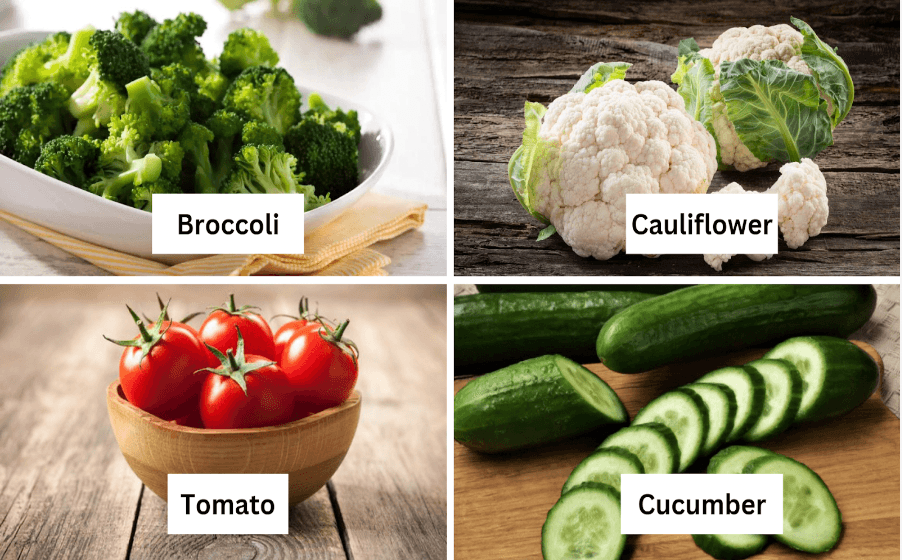
Glyphosate, the active ingredient in Roundup herbicide, is used extensively in agriculture for weed control. Originally designed to target weeds without harming crops, its utility allowed the engineering of crops resistant to its effects.
Over time, weeds have become resistant to glyphosate, leading to the development of "super weeds" that require increasingly higher quantities of the chemical. This has resulted in an escalating use of glyphosate in farming.
Research has linked glyphosate exposure to various health concerns. Importantly, it has been shown to disrupt gut microbiota by eliminating beneficial bacteria, potentially exacerbating conditions such as "leaky gut," anxiety, and depression due to its impact on hormone production.
Glyphosate is classified as "probably carcinogenic" by the IARC and "carcinogenic" by the WHO. Studies, such as those from the University of Washington, indicate a significant increase in the risk of non-Hodgkin's lymphoma with glyphosate exposure.
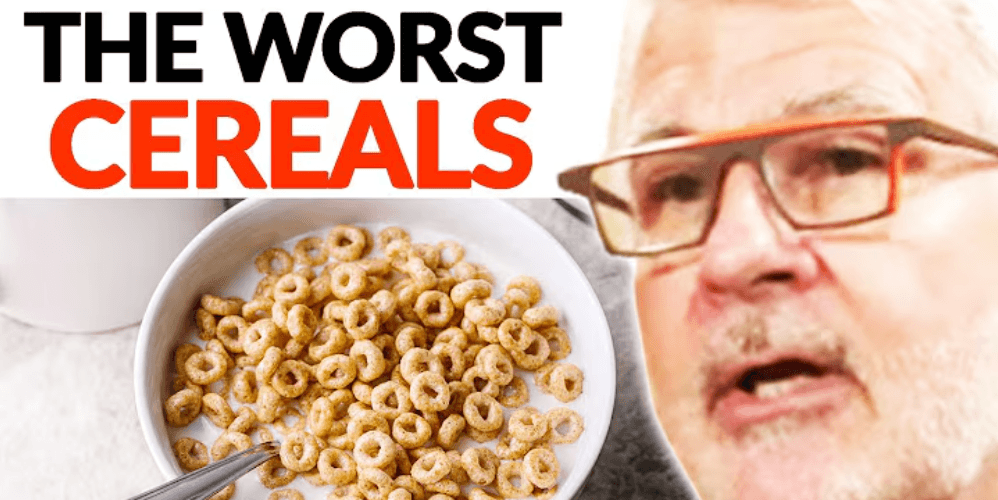
- Oats and cereals, among others, tested positive for glyphosate, suggesting widespread contamination.
- Organic fields are not immune due to chemical drift.
To reduce glyphosate intake, consumers are encouraged to wash produce thoroughly and prefer organic or biodynamic brands when possible. Participating in local food systems, such as farmers' markets, and supportive legislation at school levels can help mitigate glyphosate's presence in communities.
While avoidance is crucial, some suggest supplementation with compounds like humic acid, fulvic minerals, or glycine could counteract glyphosate's presence in the body. Glycine, a building block of collagen and a protective agent against glyphosate, can be taken as an ingestible supplement.
"You are what you eat, and this includes what your food consumes."
The dialogue on glyphosate underscores a significant challenge in modern agriculture—balancing efficacy against health and environmental safety. Moving towards more sustainable farming practices is essential to address this issue and safeguard public health.


From Around The Web



Wellness Inbox is a blog & weekly newsletter that curates trending news and products related to health and wellness from around the web. We also gather content from various sources, including leading health professionals, and deliver it directly to you.
Please note that we may receive compensation if you purchase any products featured in our newsletter. Wellness Inbox is not affiliated with, nor does it endorse, any health professionals whose content may appear in our newsletter. The information provided is for general informational purposes only and should not be considered medical advice.
The information provided is not intended to replace professional medical advice, diagnosis, or treatment. All content, including text, graphics, images, and information available is for general informational purposes only. We do not guarantee the accuracy or completeness of any information presented and assume no liability for any errors or omissions. The content is subject to change without notice. We encourage you to verify any information with other reliable sources and consult your physician regarding any medical conditions or treatments.