Why YOU Will Have a Heart Attack

When it comes to arterial plaque, many envision a clog in the pipes, akin to hair blocking a drain. However, this perspective oversimplifies the nature of plaque, which is more dynamic and variable.
Plaque consists of cholesterol deposits within the arterial walls. Unlike rigid copper pipes, arteries are more akin to expandable hoses, reflecting their ability to swell and respond to changes.
Cholesterol accumulation results in two primary types of plaque:
- Soft plaque is akin to a jelly donut. It is unstable and poses a higher risk for strokes and heart attacks.
- Calcified plaque resembles a manageable stone; it is more stable and less likely to disrupt cardiovascular health.
Inflammation plays a significant role in making plaque dangerous. When the immune system reacts to cholesterol in the arterial walls, it can exacerbate plaque formation, leading to clotting. These clots can block blood flow, causing strokes or heart attacks.
“Inflammation is the uninvited guest causing a ruckus.”
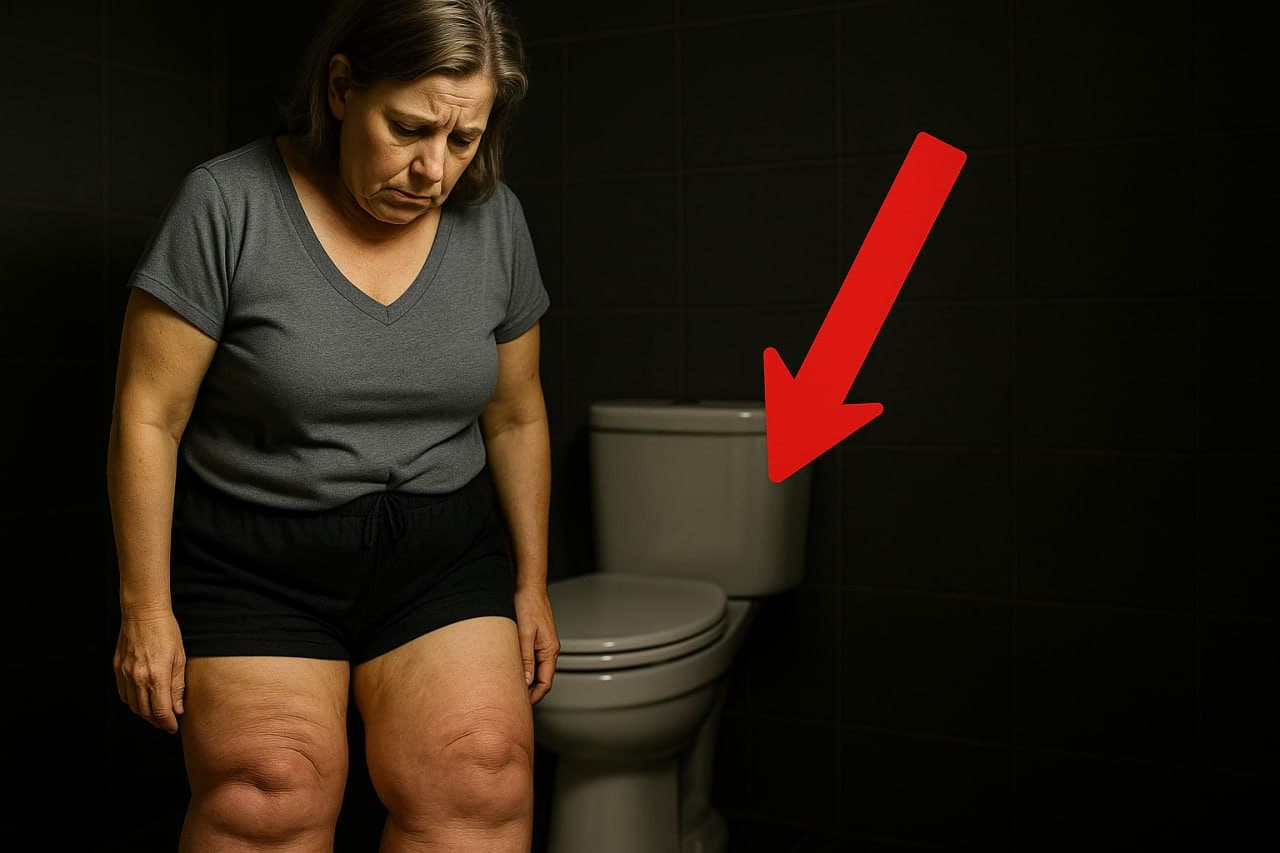
By our 30s, many adults face metabolic challenges, such as insulin resistance that can lead to cardiovascular problems. A balanced diet and regular exercise play pivotal roles in managing these metabolic issues.
Approaching heart health is like orchestrating a symphony, where diet, exercise, and wellness are integral components, working harmoniously to maintain cardiovascular stability. It is not about a one-size-fits-all diet but a comprehensive lifestyle shift.
Understanding the complex interplay between cholesterol, inflammation, and lifestyle can help prevent heart disease. Consider this journey as learning a new rhythm, where regular health check-ups guide your path to a healthier life.


From Around The Web


Wellness Inbox is a blog & weekly newsletter that curates trending news and products related to health and wellness from around the web. We also gather content from various sources, including leading health professionals, and deliver it directly to you.
Please note that we may receive compensation if you purchase any products featured in our newsletter. Wellness Inbox is not affiliated with, nor does it endorse, any health professionals whose content may appear in our newsletter. The information provided is for general informational purposes only and should not be considered medical advice.
The information provided is not intended to replace professional medical advice, diagnosis, or treatment. All content, including text, graphics, images, and information available is for general informational purposes only. We do not guarantee the accuracy or completeness of any information presented and assume no liability for any errors or omissions. The content is subject to change without notice. We encourage you to verify any information with other reliable sources and consult your physician regarding any medical conditions or treatments.