Use Bioimpedance Scales for SERIOUS Fat Loss

Bioimpedance scales are valuable tools for tracking body composition at home. These devices work by sending an electrical wave through your body to measure its resistance. This resistance helps predict your "total body water," a key indicator in assessing body composition.
The primary function of bioimpedance is to estimate your total body water content. By understanding this, you can infer the proportions of fat-free mass versus fat mass in your body. In essence, the more total body water you possess, the higher your fat-free mass. Conversely, a decrease in total body water may indicate higher fat mass.
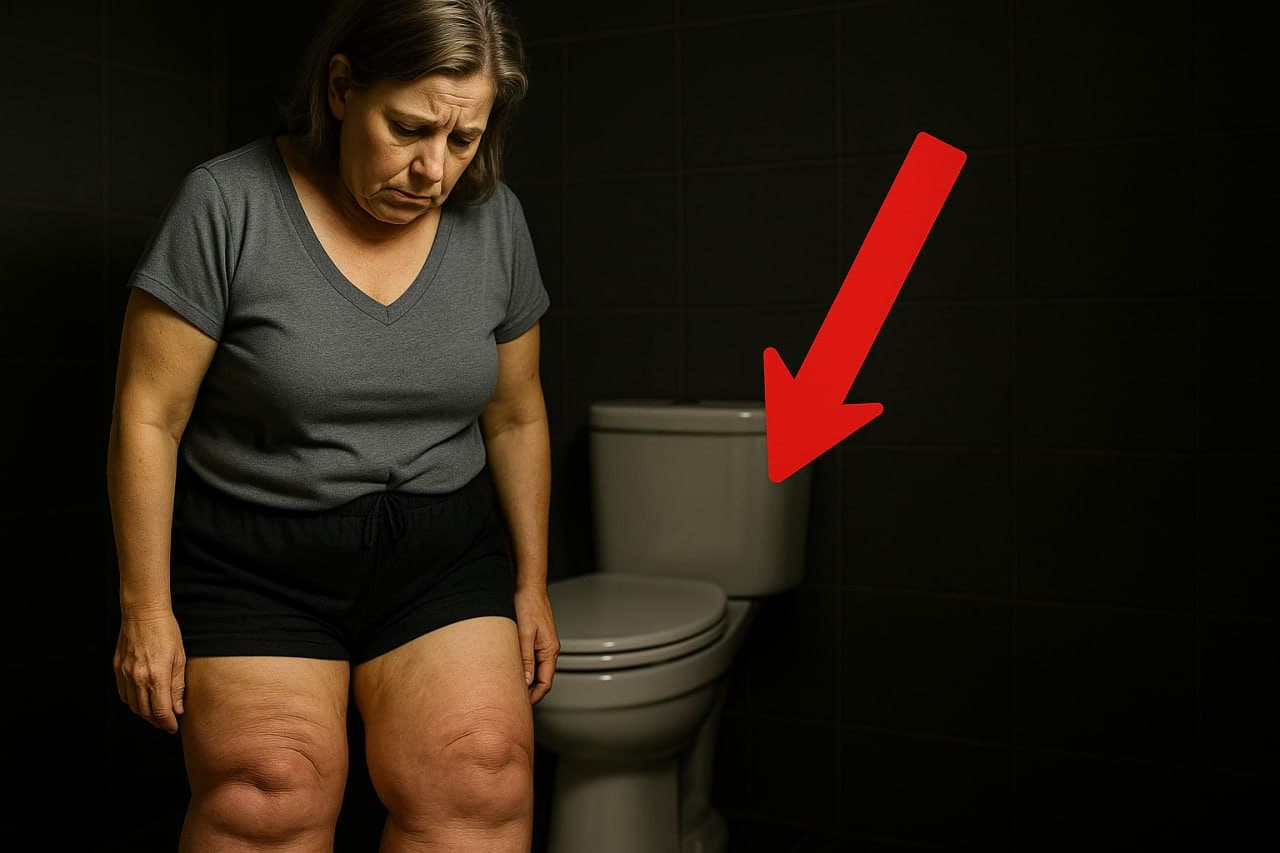
To get accurate and meaningful insights, it's recommended to monitor your body composition over a prolonged period rather than focusing on daily single measurements. By consistently stepping on the bioimpedance scale and analyzing the data reported to your phone over time, you can observe trends and patterns.
- Daily data entries will help capture fluctuations in body water.
- Look for changes over a week to assess trends accurately.
When examining trends over weeks, an increase in total body water typically suggests a loss in body fat. However, it is essential to recognize this as a gradual process. Significant changes over a period indicate shifts in body composition, informed by the relative movements in the readings rather than fixed numbers.
"Bioimpedance scales can be great for long-term monitoring, revealing trends in body composition changes rather than day-to-day fluctuations."


From Around The Web


Wellness Inbox is a blog & weekly newsletter that curates trending news and products related to health and wellness from around the web. We also gather content from various sources, including leading health professionals, and deliver it directly to you.
Please note that we may receive compensation if you purchase any products featured in our newsletter. Wellness Inbox is not affiliated with, nor does it endorse, any health professionals whose content may appear in our newsletter. The information provided is for general informational purposes only and should not be considered medical advice.
The information provided is not intended to replace professional medical advice, diagnosis, or treatment. All content, including text, graphics, images, and information available is for general informational purposes only. We do not guarantee the accuracy or completeness of any information presented and assume no liability for any errors or omissions. The content is subject to change without notice. We encourage you to verify any information with other reliable sources and consult your physician regarding any medical conditions or treatments.