full mouth dental x-ray explained (FMX) #shorts

Full mouth x-rays, or FMX, are a vital component of dental examinations, allowing dentists to gain a complete view of a patient’s oral health from different angles and depths. The process of capturing these images may vary among clinicians, as there is no singular correct sequence for taking them. Here, we explore a common method utilized in dental practices.
The typical process often begins with imaging the front teeth, also known as the __anterior teeth__. This provides a comprehensive picture of this segment before moving onto other parts of the mouth.
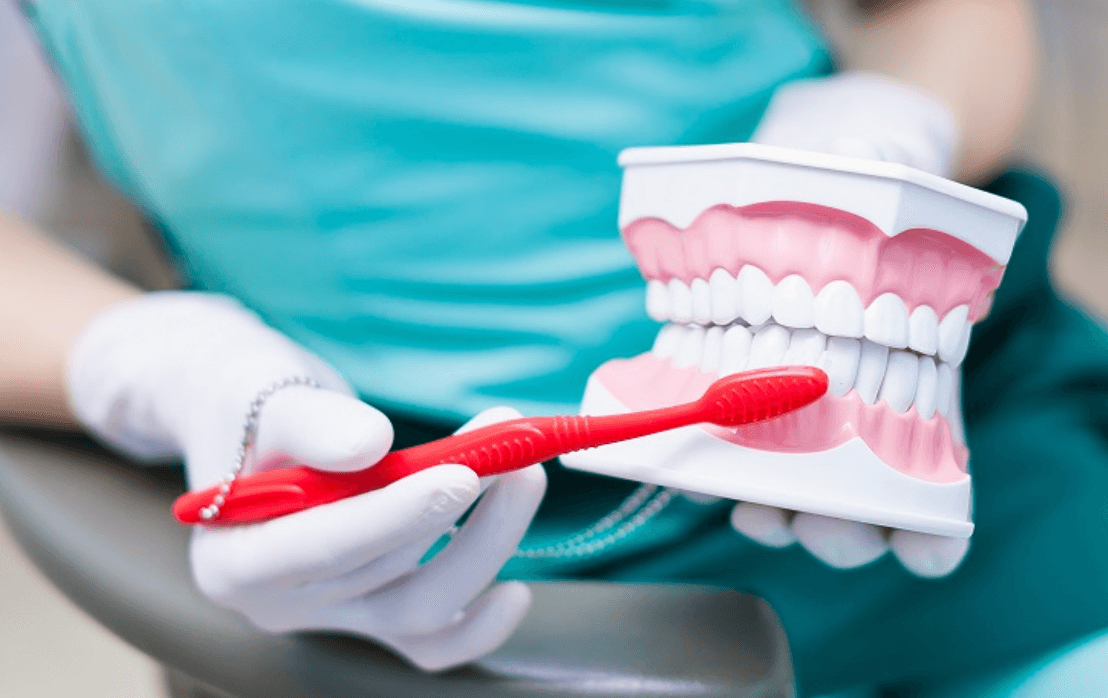
The process then transitions to the back teeth, commonly referred to as __posterior teeth__. Here, two images are captured per quadrant—covering the molars and the premolars intricately.
Although bite wings are often taken independently to monitor specific conditions, they also constitute part of a full mouth series. These x-rays are crucial for identifying __cavities__ and observing __tartar build-up__, as well as assessing the level of __bone that supports the teeth__. This ensures a holistic view, enabling dentists to identify potential issues early on.


From Around The Web


Wellness Inbox is a blog & weekly newsletter that curates trending news and products related to health and wellness from around the web. We also gather content from various sources, including leading health professionals, and deliver it directly to you.
Please note that we may receive compensation if you purchase any products featured in our newsletter. Wellness Inbox is not affiliated with, nor does it endorse, any health professionals whose content may appear in our newsletter. The information provided is for general informational purposes only and should not be considered medical advice.
The information provided is not intended to replace professional medical advice, diagnosis, or treatment. All content, including text, graphics, images, and information available is for general informational purposes only. We do not guarantee the accuracy or completeness of any information presented and assume no liability for any errors or omissions. The content is subject to change without notice. We encourage you to verify any information with other reliable sources and consult your physician regarding any medical conditions or treatments.