The Truth About Hydroxyapatite Toothpaste - Should This Ingredient Be Banned?
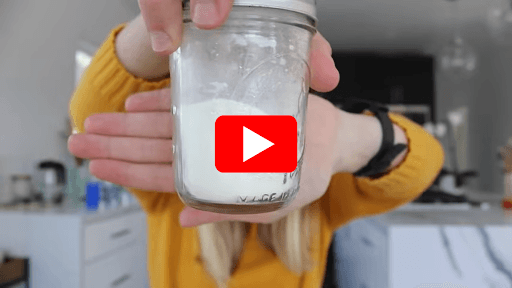
Hydroxyapatite is gaining popularity as a natural alternative to fluoride in toothpaste. This article will explore its safety, use, and regulation, particularly focusing on recent discussions in Europe.
Hydroxyapatite is a naturally occurring mineral found in bones and teeth. It is used in toothpaste to remineralize enamel, providing protection against cavities. Studies suggest it is as effective as fluoride without the associated toxicity concerns.
Contrary to circulating rumors, hydroxyapatite has not been banned in the EU. However, the European Union Scientific Committee on Consumer Safety (SCCS) has advised on its safe use in cosmetics and oral products.
- Incorporation allowed in toothpaste up to 10% concentration
- Nano-hydroxyapatite must not be used in a form that risks inhalation
- Regulation changes effective by February 1, 2025
- Ensure concentration within recommended limits
- Be aware of rare sensitivities or allergic reactions
- Check for non-nano options if concerned about particle size
The belief that hydroxyapatite is banned due to safety concerns in Europe is not accurate. While there are restrictions particularly for cosmetics containing nano-hydroxyapatite, these focus on safety measures rather than prohibitions.
"For those questioning EU's stance on hydroxyapatite, it is clear there is no blanket ban, just regulation to ensure consumer safety." – Dr. Rachel Hall
Hydroxyapatite remains a promising alternative to fluoride in dental care. While EU regulations aim to safeguard consumer interests, they do not equate to a ban. In the context of ongoing water fluoridation debates, hydroxyapatite continues to be a viable and safe choice for those seeking natural oral care solutions.


From Around The Web
Wellness Inbox is a blog & weekly newsletter that curates trending news and products related to health and wellness from around the web. We also gather content from various sources, including leading health professionals, and deliver it directly to you.
Please note that we may receive compensation if you purchase any products featured in our newsletter. Wellness Inbox is not affiliated with, nor does it endorse, any health professionals whose content may appear in our newsletter. The information provided is for general informational purposes only and should not be considered medical advice.
The information provided is not intended to replace professional medical advice, diagnosis, or treatment. All content, including text, graphics, images, and information available is for general informational purposes only. We do not guarantee the accuracy or completeness of any information presented and assume no liability for any errors or omissions. The content is subject to change without notice. We encourage you to verify any information with other reliable sources and consult your physician regarding any medical conditions or treatments.