STOP Carnivore Diet Shaming NOW! Doctor Reacts
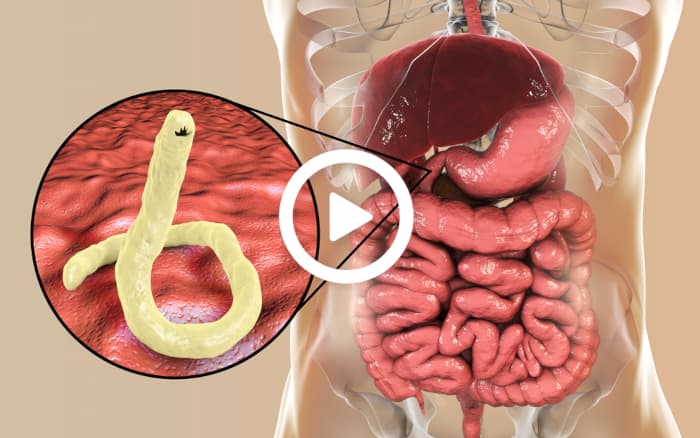
In recent times, the carnivore diet has become a burgeoning trend, particularly fueled by its presence on platforms like TikTok. As explored by Dr. Eric Westman in online discussions, this diet primarily involves consuming animal products while avoiding plant-based foods.
Platforms like TikTok often amplify extremes in dietary videos, sometimes showing unconventional recipes that both fascinate and appall audiences. Dr. Westman cautions viewers to consider the sources of information and approach these videos critically.
Social media, including TikTok, serves as a double-edged sword, promoting both curious dietary trends and misinformation. While some content creators explore diets like carnivore for novelty, others genuinely practice it for purported health benefits. The videos often feature exaggerated perceptions of health practices, and Dr. Westman warns against taking these portrayals at face value.

Dr. Westman emphasizes the importance of protein in human nutrition, explaining that both fat and carbohydrates can serve as energy sources. While some forms of carnival-inspired food might seem grotesque to unaccustomed viewers, they are not inherently unhealthy if balanced appropriately—highlighting the individual's dietary flexibility.
Public health discourse often points to potential heart risks tied to red meat consumption, though Dr. Westman contests that much of this narrative is driven by hypothetical research rather than solid, experimental evidence. As such, he calls for a nuanced view when considering such diets.
In conclusion, while the carnivore diet attracts diverse opinions, it is crucial to view social media representations with skepticism and understand the dietary science behind them. Dr. Westman reinforces the idea that diet choices are highly personal and encourage individuals to make informed decisions about their health based on scientific evidence, not media hype.


From Around The Web

Wellness Inbox is a blog & weekly newsletter that curates trending news and products related to health and wellness from around the web. We also gather content from various sources, including leading health professionals, and deliver it directly to you.
Please note that we may receive compensation if you purchase any products featured in our newsletter. Wellness Inbox is not affiliated with, nor does it endorse, any health professionals whose content may appear in our newsletter. The information provided is for general informational purposes only and should not be considered medical advice.
The information provided is not intended to replace professional medical advice, diagnosis, or treatment. All content, including text, graphics, images, and information available is for general informational purposes only. We do not guarantee the accuracy or completeness of any information presented and assume no liability for any errors or omissions. The content is subject to change without notice. We encourage you to verify any information with other reliable sources and consult your physician regarding any medical conditions or treatments.