7 Ways To Keep Teeth Healthy (Dental Hygienist Explains)
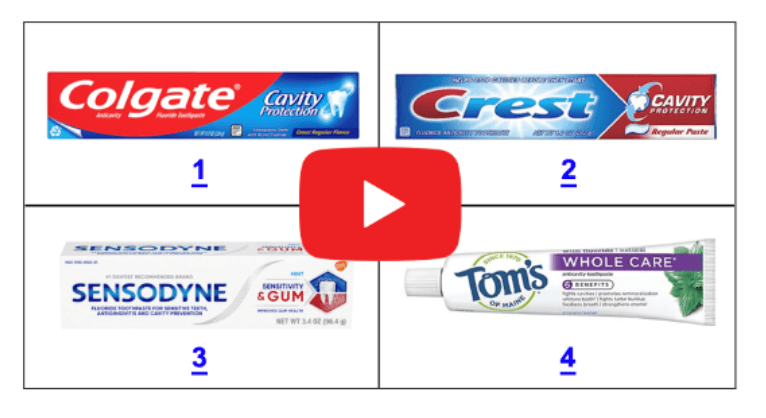
Brushing your teeth twice daily and flossing at least once a day form the foundation of a healthy oral hygiene routine. It's recommended to brush once in the morning, preferably before breakfast, and again before bed. This timing helps reduce plaque buildup accumulated during the night and the day.
Electric toothbrushes are often advised as they can help minimize user error. Unlike manual toothbrushes, they require less precision in technique, making it easier for busy individuals to maintain effective brushing habits.
Proper flossing technique is critical for removing plaque from between teeth. Adapting the string floss around the tooth to clean every side effectively can significantly diminish the risk of cavities and gum disease. Other tools, such as floss picks, interdental brushes, or water flossers, may be more suited to some individuals for reaching those tight spaces.
Fluoride toothpaste is essential for preventing cavities by reinforcing the enamel and reversing subsurface demineralization. While the mechanical action of brushing removes plaque that can lead to gum disease, fluoride offers additional cavity protection.

Regular tongue scraping can reduce bad breath and decrease bacteria that may contribute to plaque accumulation on teeth. While it is not directly involved in dental cleaning, maintaining a clean tongue can support overall oral hygiene and ensure fresher breath.
For individuals concerned about cavities or experiencing sensitivity, adding a nightly fluoride mouthwash to their routine can offer additional protection. Leaving it on the teeth overnight allows for optimal fluoride absorption into the enamel.
Drinking water and using xylitol products, such as gum or mints, can neutralize the pH in your mouth after meals, reduce acidity, and help maintain a healthy oral environment. These products can especially benefit those unable to brush immediately after eating.
Adhering to a routine is crucial in preventing plaque from solidifying into tartar, which can lead to more advanced dental issues. Utilizing accountability tools, such as programs that provide oral health reminders, can help individuals maintain consistent brushing and flossing habits.


From Around The Web


Wellness Inbox is a blog & weekly newsletter that curates trending news and products related to health and wellness from around the web. We also gather content from various sources, including leading health professionals, and deliver it directly to you.
Please note that we may receive compensation if you purchase any products featured in our newsletter. Wellness Inbox is not affiliated with, nor does it endorse, any health professionals whose content may appear in our newsletter. The information provided is for general informational purposes only and should not be considered medical advice.
The information provided is not intended to replace professional medical advice, diagnosis, or treatment. All content, including text, graphics, images, and information available is for general informational purposes only. We do not guarantee the accuracy or completeness of any information presented and assume no liability for any errors or omissions. The content is subject to change without notice. We encourage you to verify any information with other reliable sources and consult your physician regarding any medical conditions or treatments.